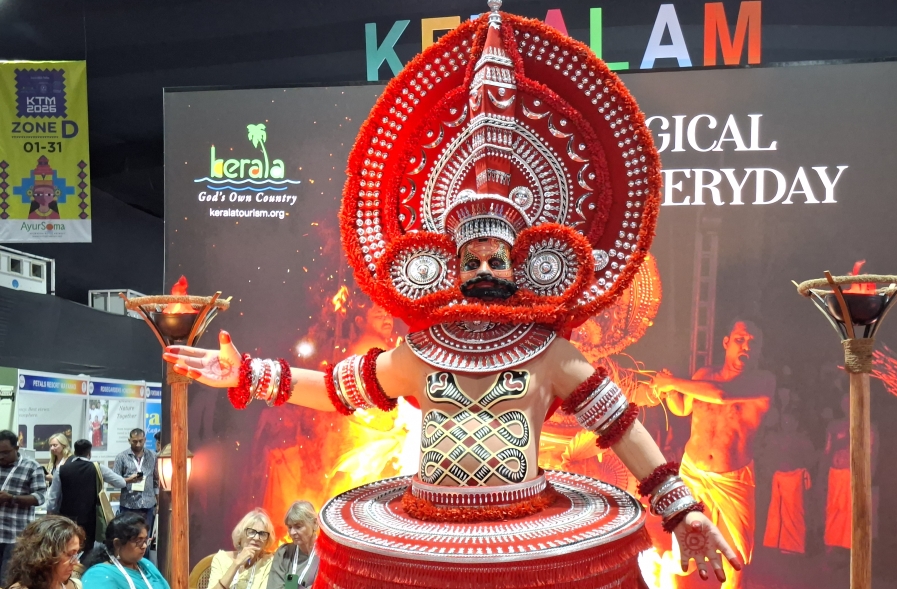
Kochi, Kerala, September 29, 2026 / TRAVELINDEX / Kerala once again brought the global travel trade together as the 13th edition of Kerala Travel Mart (KTM) 2026 concluded in Kochi on September 27, marking four days of business networking, industry discussions and destination showcasing.
Held from September 24 to 27, the biennial event brought together tourism professionals, tour operators, travel agents, hoteliers, destination management companies, hospitality providers and government representatives to explore business opportunities and strengthen partnerships.
Organized by the Kerala Travel Mart Society, with the support of Kerala Tourism, KTM 2026 demonstrated the growing importance of collaborative platforms in connecting destinations with the international travel marketplace.
A Strong Platform for Business
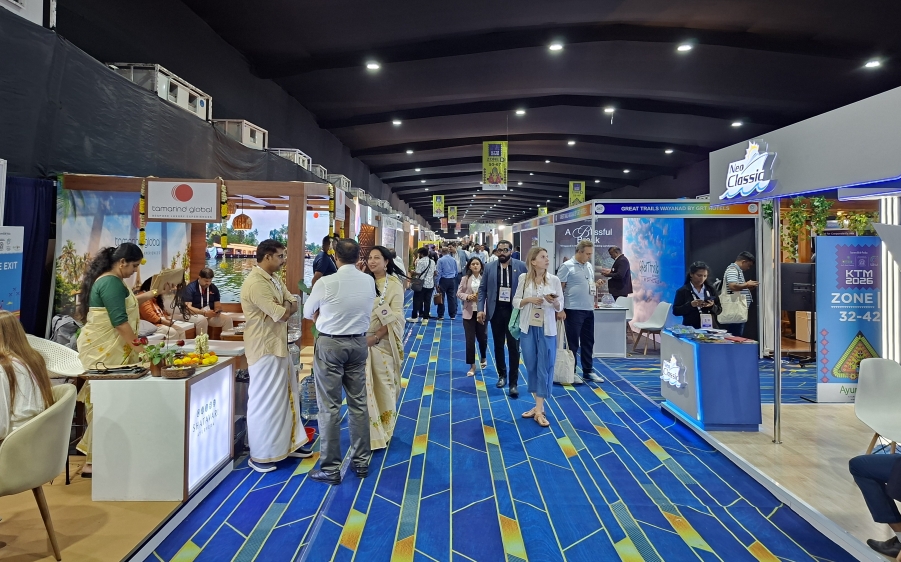
One of the most significant highlights of KTM 2026 was the scale of business engagement. The event recorded an impressive 58,000 business-to-business (B2B) meetings, comprising approximately 45,000 pre-scheduled appointments and 13,000 additional interactions.
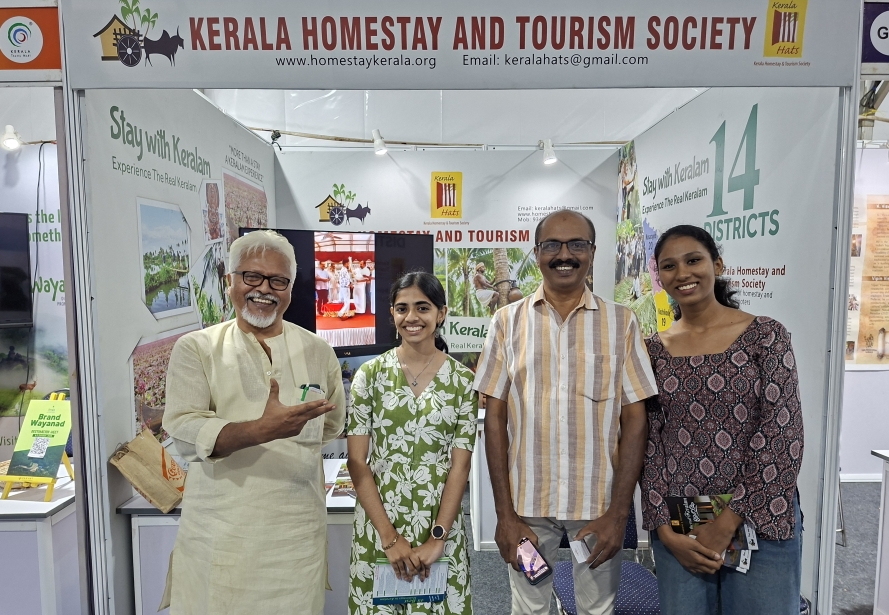
The exhibition featured 383 seller stalls alongside 25 stalls representing government institutions, offering buyers an extensive overview of Kerala’s tourism infrastructure, hospitality products and destination experiences.
The platform provided an opportunity for travel trade professionals to interact directly with Kerala-based tourism businesses, explore new itineraries, establish commercial relationships and identify emerging market opportunities.
For international buyers, the mart offered access to a diverse range of local tourism suppliers under one roof, while Kerala’s tourism businesses gained opportunities to expand their distribution networks and strengthen their presence in international markets.
Showcasing Kerala Beyond Its Traditional Tourism Experiences
Kerala’s tourism appeal has traditionally been associated with its backwaters, hill stations, beaches, Ayurveda and cultural heritage. However, the state’s tourism portfolio continues to evolve, with increasing emphasis on experiential, responsible and niche tourism.
KTM 2026 provided a platform to showcase this wider range of offerings, including wellness tourism, adventure experiences, nature-based holidays, cultural journeys, luxury hospitality, destination weddings and MICE (Meetings, Incentives, Conferences and Exhibitions).
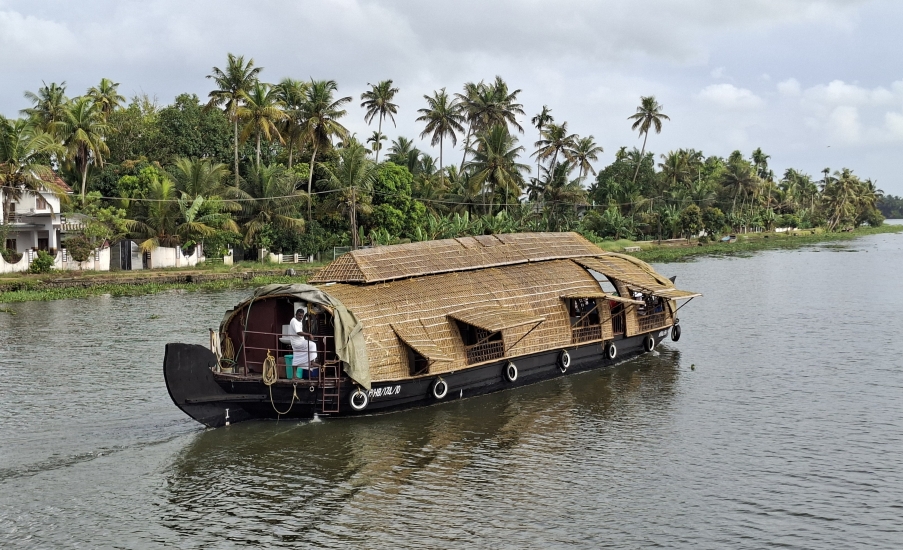
From the backwater experiences of Alappuzha and Kumarakom to the tea plantations of Munnar, the wildlife landscapes of Thekkady and the heritage attractions of Fort Kochi, Kerala offers multiple travel experiences that can be combined into comprehensive itineraries. This diversity is particularly relevant for international tour operators looking to develop differentiated holiday packages and cater to travellers seeking more immersive destination experiences.
Industry Discussions Focus on the Future of Tourism
Beyond business meetings, KTM 2026 also provided a forum for discussions on the changing dynamics of the global tourism industry. The programme included focused sessions on inclusive and accessible tourism, the application of artificial intelligence in the tourism industry, evolving customer expectations and social responsibility in tourism. These discussions reflected some of the major priorities facing travel businesses today.
Artificial intelligence is increasingly influencing how travellers discover destinations, compare products and plan their holidays. For travel companies, adapting to these technological developments will be important in improving customer engagement and operational efficiency.
Similarly, the focus on inclusive and accessible tourism highlighted the importance of creating travel experiences that accommodate visitors with different mobility requirements and individual needs.
The discussions on social responsibility also reinforced the importance of balancing tourism growth with environmental conservation, community participation and the preservation of local culture.
Kerala’s Vision for Expanding Its Tourism Portfolio
An important development surrounding KTM 2026 was the state’s ambition to expand its tourism offering through the development of 100 new destinations over the next five years, with a target of introducing 20 destinations annually.
The initiative reflects Kerala’s intention to diversify its tourism geography, create new visitor experiences and extend the benefits of tourism to emerging destinations.
For the travel trade, this could open up opportunities to develop fresh itineraries, introduce lesser-known locations to international markets and encourage visitors to explore destinations beyond established tourism circuits.
The focus on wellness, Ayurveda, cultural heritage and experiential tourism also presents opportunities for Kerala to strengthen its position in specialised travel segments.
Taking the Experience Beyond the Exhibition Floor
The Kerala Travel Mart experience extended beyond the convention centres through post-mart familiarisation tours organised from September 28 to October 3.
Covering 12 different regional tracks, these tours offered participating travel professionals an opportunity to experience Kerala’s tourism products and destinations firsthand.
Familiarisation tours remain an important component of destination marketing, particularly for international buyers who need a deeper understanding of accommodation options, local experiences, accessibility and destination logistics before incorporating products into their travel programmes.
By combining structured business appointments with destination exposure, KTM provided participants with both commercial networking opportunities and practical insights into Kerala’s tourism offerings.
Strengthening Kerala’s Position in the Global Travel Market
The conclusion of KTM 2026 marks another important milestone in Kerala’s efforts to strengthen its international tourism connections.
The event demonstrated the value of bringing tourism suppliers and buyers together through a dedicated trade platform, while also providing opportunities for dialogue on technology, sustainability, accessibility and changing traveller preferences.
For Kerala’s tourism industry, the next phase will be about converting these business interactions into long-term partnerships, new itineraries and increased visitor interest across established and emerging destinations.
As international travel continues to evolve, Kerala’s combination of natural landscapes, wellness traditions, cultural heritage and hospitality infrastructure offers a broad